
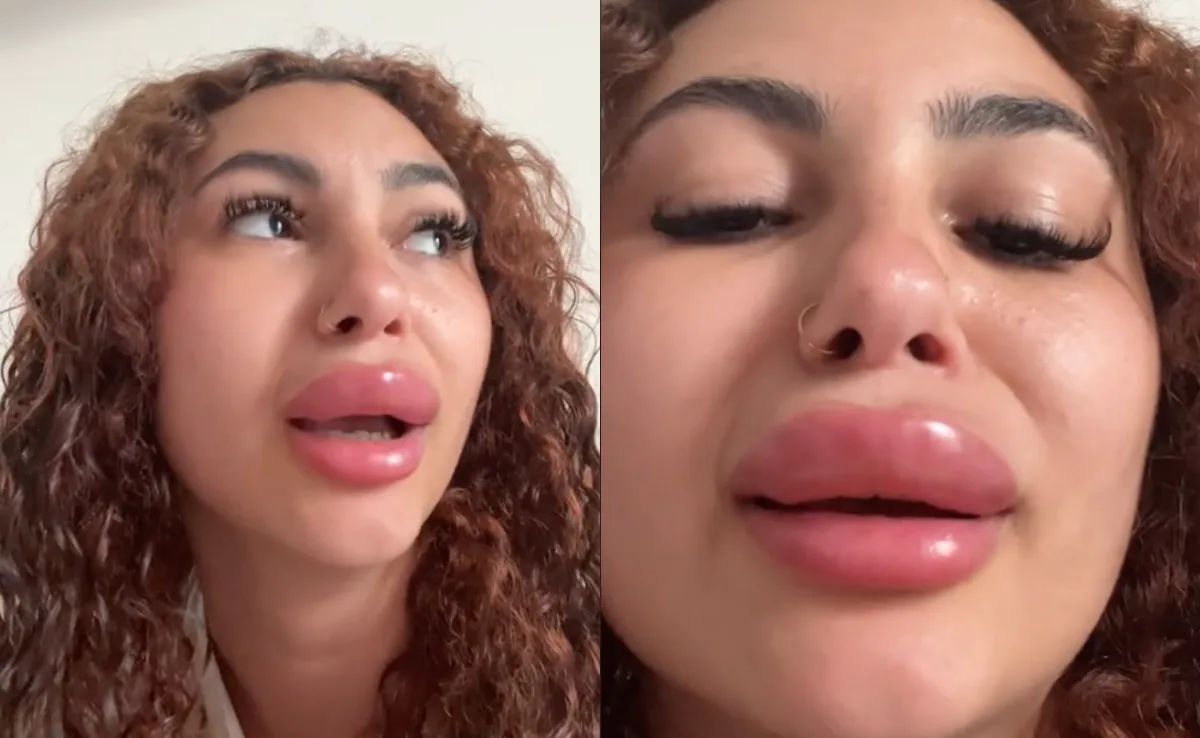
Many people walk out of their lip filler appointment feeling excited about their refreshed look, yet the first twenty-four hours often raise new questions about what to avoid, what to expect and how to prevent small errors that could affect the final shape. Patients sometimes describe this stage as a blend of curiosity and mild anxiety because the lips feel different and every small sensation seems more noticeable. According to our editor’s research, this emotional reaction is completely normal, and early decisions during the first few days have a real impact on overall satisfaction. These decisions include avoiding pressure, managing swelling correctly and resisting the urge to judge results too quickly. Understanding these points makes recovery feel smoother and less confusing, especially for people getting fillers for the first time.
Why do people misjudge early swelling?
Early swelling often causes people to misinterpret the final outcome because the lips look fuller and uneven during the first hours. This temporary change makes some assume that the filler was placed incorrectly, even though swelling is a predictable part of the process. As a result of our editor’s reviews, many clinics explain that swelling peaks within the first two days and then gradually settles into a softer shape. People who evaluate their results too soon sometimes feel unnecessary concern, which leads to stress and premature complaints. Surgeons and injectors emphasize patience because the true result only becomes visible after full integration. Recognizing these normal phases helps prevent emotional overreactions during healing.
Why is touching the lips too early a mistake?
Touching or massaging the lips too soon is one of the most common mistakes because filler needs time to settle without outside pressure. Patients often feel tempted to check the texture or adjust minor uneven spots, yet early manipulation can shift material in unintended directions. According to our editor’s research, the first forty-eight hours remain the most sensitive window, and avoiding unnecessary pressure protects the final contour. Injectors usually provide specific guidance for planned massage only when required for certain filler types. Touching the lips impulsively increases the chance of asymmetry. Leaving the lips alone during these early stages supports more predictable outcomes.
What happens when people apply heat too soon?
Applying heat shortly after treatment increases swelling and encourages filler migration because heat widens blood vessels. Some people unknowingly use hot drinks, warm compresses or saunas without realizing that these activities interfere with healing. As a result of our editor’s reviews, heat exposure during the first days significantly prolongs inflammation and may exaggerate bruising. Cold compresses work far better because they narrow vessels and reduce discomfort. Clinics recommend gentle cooling routines applied intermittently to manage swelling responsibly. Avoiding heat helps maintain a stable environment where filler can integrate gradually. These simple steps help maintain natural-looking curves.
Why do strenuous activities create problems?
Strenuous exercise increases heart rate and circulation, which intensifies swelling and bruising in freshly treated lips. Patients who return to workouts too soon often notice uncomfortable throbbing or uneven inflammation. According to our editor’s research, high-intensity activities may also disturb early filler placement if repeated pressure or facial tension occurs. Light movement is generally fine, but anything that raises body temperature significantly risks unnecessary complications. Clinics recommend a brief rest period to support stable healing. Respecting this pause creates a smoother recovery and reduces avoidable discomfort. Early moderation improves long-term results.
Why does smoking interfere with healing?
Smoking restricts blood flow and slows healing around the delicate lip tissue, which creates a higher risk of infection, poor integration and uneven texture. Many patients underestimate how quickly smoke exposure affects circulation in small vessels. As a result of our editor’s reviews, smoking within the early healing period also increases the likelihood of lip dryness and cracking. Using repeated puckering movements can shift filler subtly, altering the original shape. Even temporary reduction improves outcomes during this sensitive stage. Improved circulation helps minimize complications and supports more even filler distribution.
Why can makeup cause issues right after treatment?
Applying makeup too soon introduces bacteria to injection sites that remain open for several hours. Even clean products carry slight contamination from previous use, and this can irritate freshly treated lips. According to our editor’s research, clinics recommend waiting at least a full day before applying lipstick or lip liners to avoid clogged pores and secondary redness. People who apply makeup immediately sometimes experience small bumps or increased irritation that prolong healing. Waiting gives the skin enough time to recover from micro-injuries. This cautious approach prevents unnecessary setbacks and reduces infection risk.
Why is drinking through a straw discouraged?
Using straws encourages repetitive pursing movements that place pressure on the filler before it stabilizes. These motions may seem harmless, yet they create directional force that shifts material away from intended placement. As a result of our editor’s reviews, patients who frequently use straws in the early stage sometimes develop slight asymmetries that require further adjustments. Avoiding straws helps protect the new structure as it settles naturally. Small behavioral changes like these support long-lasting and symmetrical results. This simple habit reduces unnecessary strain on the lips.
How does sleeping position affect healing?
Sleeping face-down or on the side increases pressure on the lips, which may temporarily distort the shape or affect swelling patterns. Patients often forget about this risk because pressure during sleep remains unintentional and difficult to control. According to our editor’s research, sleeping with the head slightly elevated helps reduce morning swelling and protects filler stability. This position keeps fluid from collecting in the treated area. Patients who follow sleep guidelines usually experience smoother contours and less tenderness during early recovery. A mindful sleeping posture supports natural shaping.
Why do people underestimate hydration?
Hydration significantly affects how hyaluronic acid fillers settle because these materials attract and hold water. When people remain dehydrated, the filler may appear less plump during integration. As a result of our editor’s reviews, steady hydration improves comfort, reduces dryness and supports better healing outcomes. Clinics encourage balanced water intake to maintain soft, even texture. Hydration plays a surprisingly important role in achieving natural fullness. Supporting the body’s natural moisture balance enhances overall lip appearance.
Why does alcohol complicate lip filler recovery?
Alcohol thins the blood and increases the likelihood of bruising and prolonged swelling. People sometimes enjoy drinks to celebrate their treatment, not realizing the impact on delicate healing tissues. According to our editor’s research, alcohol also increases dehydration, making lips feel irritated and less stable during early integration. Avoiding alcohol for a short period reduces unnecessary inflammation and maintains filler positioning. This small precaution improves comfort and protects overall results. Moderation in this stage supports more predictable healing.
Why judging results too early leads to unnecessary stress?
Early results often appear uneven or fuller than expected because swelling and minor bruising distort the initial contour. Many people panic when they look in the mirror immediately after treatment, assuming something has gone wrong. As a result of our editor’s reviews, most clinics emphasize the importance of waiting at least two weeks before evaluating symmetry or requesting adjustments. The integration process takes time, and early impressions rarely reflect the final appearance. Patience prevents emotional stress and unnecessary follow-up appointments. This waiting period remains a key part of the process.
How do follow-up appointments prevent long-term issues?
Follow-up appointments help clinicians assess healing, identify minor concerns early and adjust care routines when necessary. Patients who skip these visits sometimes miss important guidance that ensures stable results. According to our editor’s research, follow-ups allow injectors to evaluate swelling patterns, hydration status and potential asymmetries that only appear after initial healing. These visits also help patients feel supported, which reduces anxiety during the recovery period. Consistent monitoring strengthens the overall experience and provides reassurance. Structured follow-up remains essential for lasting results.